When I step into the studio and feel the bass drop, I’m not just listening to music—I’m listening to history, culture, and movement all colliding. As a dancer, rap music has always been more than a soundtrack to me; it’s been a mirror of dance styles like krump, ballet, and hip-hop, pulling pieces from each and reinventing itself in every verse, every hook, and every beat. What’s happening today, though, is something bigger. Rap is still feeding off dance culture, but now fashion and gaming are shaping the way we move, share, and even fight to keep music alive.
Rap’s Roots in Dance
People talk about rap’s lyrical brilliance, its social commentary, and its rhythm, but fewer talk about its physicality—how deeply it borrows from dance traditions. When I hear a hard-hitting rap beat, I can feel the raw, aggressive energy of krump bubbling through. Krump is not just a dance; it’s a release, a way to channel emotion into power. The stomps, the chest pops, the arm swings—they echo in the cadence of rap, where emphasis hits like a dancer’s foot cracking the floor.
Then there’s ballet. At first, it feels like the opposite of rap—graceful, restrained, poised. But ballet is in the DNA of rap’s storytelling. Ballet is about form, precision, and contrast between tension and release. Rap does the same with words, balancing chaos with flow. I’ve seen rappers draw from the theatricality of ballet performances without even realizing it: the posture, the pauses, the control.
And of course, hip-hop dance is rap’s twin flame. Breaking, locking, popping—these moves are woven into the beats. Hip-hop and rap grew up together, borrowing rhythms, swagger, and attitude from one another. When I dance to a rap track, I’m not just moving to the sound; I’m tracing the lineage of how dance built the body language of rap itself.
Fashion’s Takeover of the Dance Floor
But something strange is happening. Fashion is taking over dance in ways that both inspire and frustrate me. Once, dance dictated style—think of the way b-boys and krumpers influenced baggy pants, sneakers, and caps. Now, it feels reversed: brands are dictating how dancers move.
I’ve seen dancers more worried about the drip of their outfit than the depth of their groove. High fashion runways borrow from street dances without credit, then sell it back to us as a trend. Platforms like TikTok amplify this effect, where choreography sometimes feels less about expression and more about how good it looks on camera in designer gear.
Don’t get me wrong—fashion and dance have always been connected. Costumes in ballet, streetwear in hip-hop, even the face paint in krump battles—they all matter. But today, the industry’s hand feels heavier. It’s less about amplifying dance and more about commodifying it. As a dancer, I fear we’re losing authenticity when clothes start dictating movement instead of movement inspiring clothes.
The Unexpected Guardians: Video Game Developers
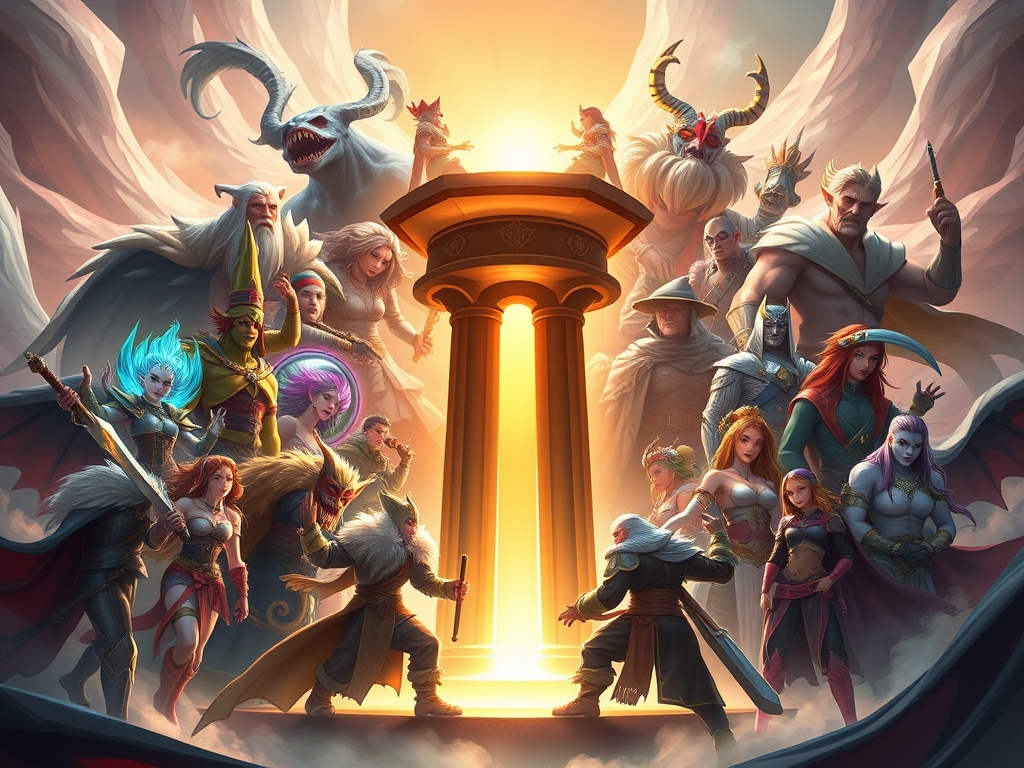
Surprisingly, it’s not just the music industry or the dancers fighting back—it’s video game developers. They’ve become unexpected guardians of music culture, especially rap and dance.
Popular Games may get clowned for their emotes during taunts, spins during abilities, or moves in dancing games, but they’re archiving dance. They’re putting Krump moves, hip-hop grooves, and even ballet spins into the hands of millions of kids worldwide. Rhythm games are teaching new generations how to feel music, not just consume it. Game developers are building spaces where music and dance aren’t just background—they’re central mechanics.
For me, that’s powerful. In a world where fashion threatens to flatten dance into surface-level aesthetics, video games are reviving its energy. They’re gamifying movement, yes, but they’re also giving it visibility. Some indie developers are even pushing harder, creating games where the music itself evolves based on how you dance or move. It feels like a futuristic extension of what we’ve always done—feed off the beat, translate it through the body, and build culture through performance.
Dancing at the Crossroads
Standing in this moment as a dancer, I see rap, dance, fashion, and gaming colliding like never before. Rap music keeps absorbing the spirit of dance—krump’s fire, ballet’s discipline, hip-hop’s swagger. Fashion keeps trying to harness that spirit, sometimes stealing it, sometimes celebrating it. And video games, of all things, are stepping up to preserve what might otherwise be lost.
The pulse of dance is still beating strong, but the battlefield is shifting. As a dancer, I believe the key is remembering that movement came first. Whether wrapped in designer clothes or coded into a game, the essence of dance is raw emotion turned physical. Rap music still needs that, fashion still feeds on it, and games are beginning to protect it.
So when the beat drops, I don’t just move for myself. I move for the dancers who came before me, for the ones who’ll come after, and for the cultures that risk being erased. Rap may borrow from us, fashion may market us, and games may digitize us—but at the end of the day, it’s the dancer who keeps the rhythm alive.




 Concept But Genius
Leave a comment